Deadwood Removal in Doylestown, PA
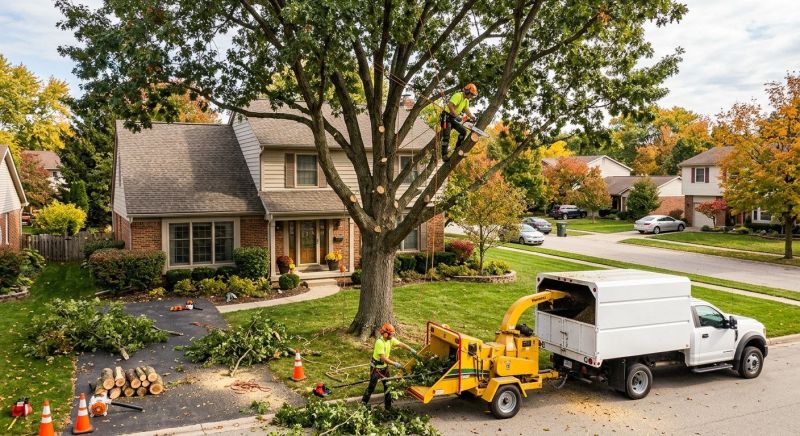
Deadwood removal services involve the safe and efficient removal of dead or dying trees, as well as branches or sections of trees that pose a risk to property or safety. These projects can range from removing single hazardous trees to clearing larger wooded areas, especially when dead or decaying wood threatens structures, power lines, or outdoor spaces. Property owners typically want to understand the scope of the removal, the safety measures involved, and how the process will impact their landscape to ensure the work aligns with their property maintenance goals.
Before requesting deadwood removal, homeowners should consider the condition and location of the trees or branches in question. It’s important to identify whether the deadwood is affecting trees’ health or safety, or if it is creating hazards for nearby structures or pathways. Clear communication about the size, accessibility, and extent of the project can help determine the appropriate approach and ensure the work is completed effectively and safely.
Many property owners in Doylestown, PA look into Deadwood Removal for repairs, replacements, upgrades, and appearance-related improvements.
Deadwood Removal For Safety
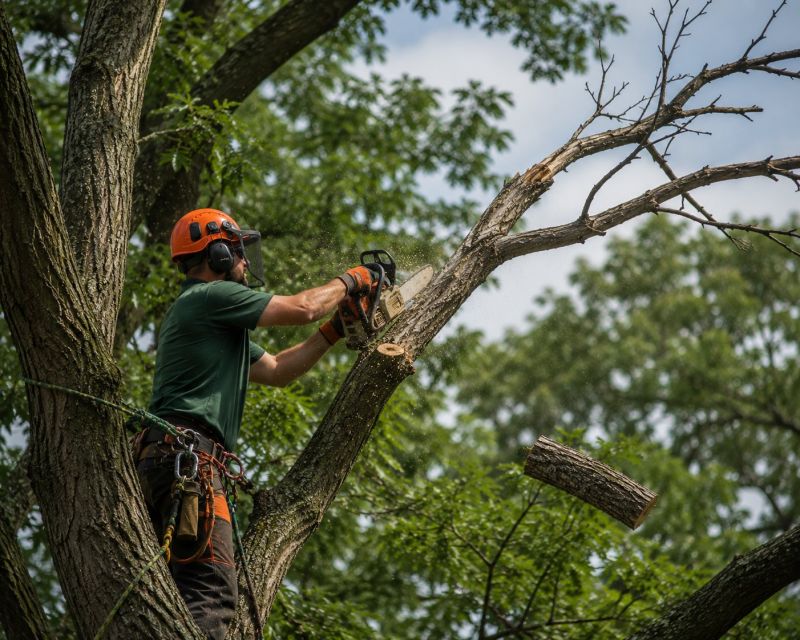
Removing dead trees helps prevent potential hazards to property and residents.
Improving Property Appearance
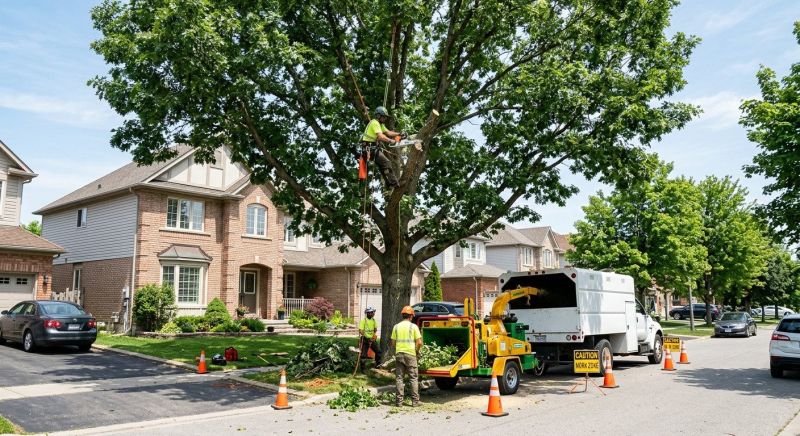
Clearing deadwood enhances the curb appeal and overall look of residential and commercial spaces.
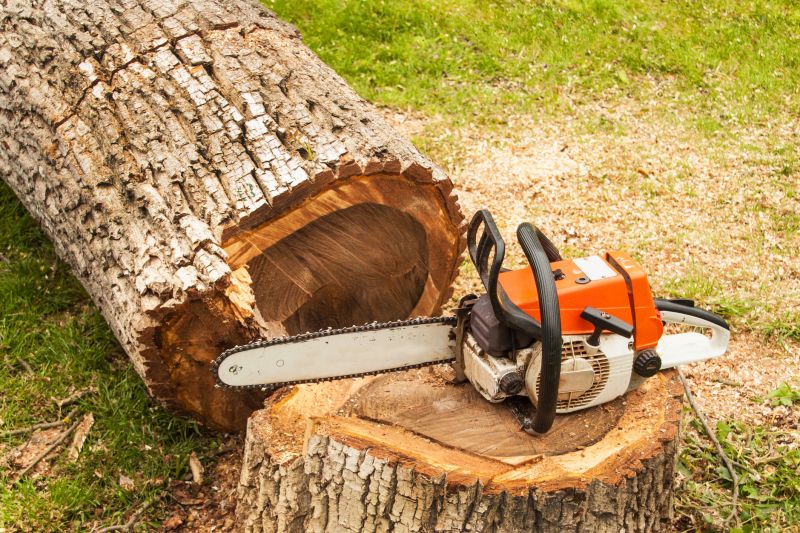
Maintaining Tree Health
Removing dead branches and trees supports the health and growth of surrounding trees and landscape.
Deadwood Removal in Doylestown, PA
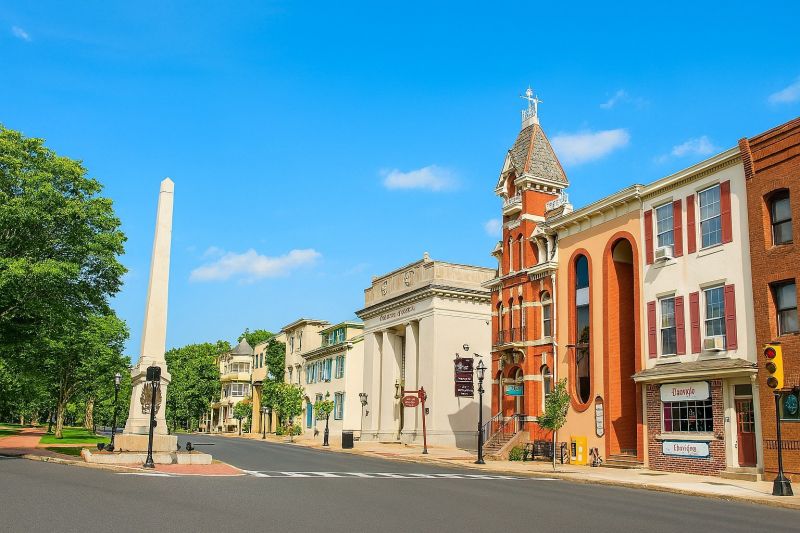
Deadwood removal services involve the safe and efficient removal of dead or dying trees, as well as branches or sections of trees that pose a risk to property or safety. These projects can range from removing single hazardous trees to clearing larger wooded areas, especially when dead or decaying wood threatens structures, power lines, or outdoor spaces. Property owners typically want to understand the scope of the removal, the safety measures involved, and how the process will impact their landscape to ensure the work aligns with their property maintenance goals.
Before requesting deadwood removal, homeowners should consider the condition and location of the trees or branches in question. It’s important to identify whether the deadwood is affecting trees’ health or safety, or if it is creating hazards for nearby structures or pathways. Clear communication about the size, accessibility, and extent of the project can help determine the appropriate approach and ensure the work is completed effectively and safely.
Many property owners in Doylestown, PA look into Deadwood Removal for repairs, replacements, upgrades, and appearance-related improvements.
Common Deadwood Removal Jobs
Deadwood Removal - Clearing dead or fallen trees to improve landscape safety.
Tree Pruning - Removing dead branches to promote healthy growth and prevent hazards.
Storm Damage Cleanup - Removing debris after storms to protect property and maintain appearance.
Overgrown Tree Trimming - Managing overgrown trees to enhance curb appeal and prevent property damage.
Hazard Tree Removal - Identifying and removing trees that pose a risk to structures or people.
Landscape Clearing - Removing unwanted trees and brush for site preparation or aesthetic purposes.
Deadwood Removal Questions
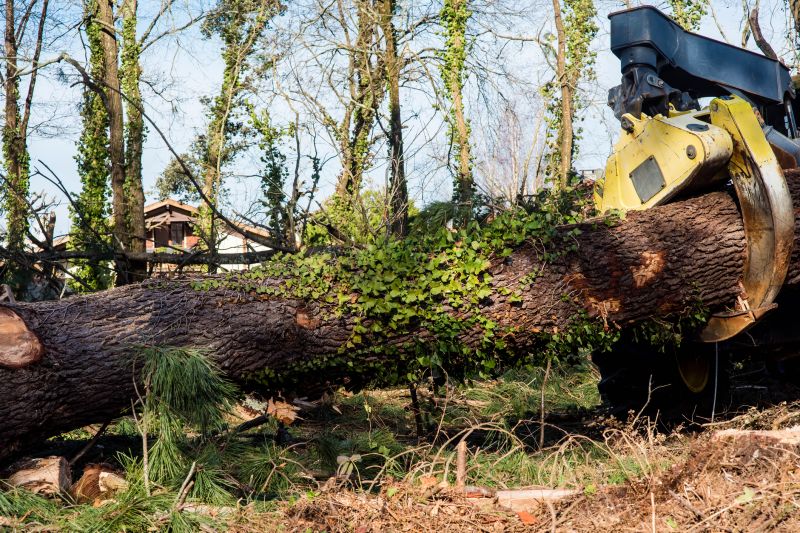
What types of dead trees can be removed? Dead or decaying trees of any size and species can be safely removed to prevent hazards and property damage.
When is dead tree removal necessary? Removal is recommended when a tree shows signs of decay, damage, or poses a risk of falling onto structures or pathways.
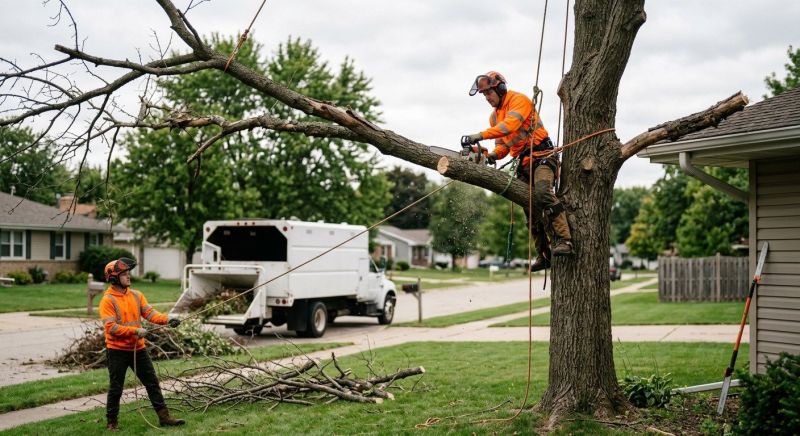
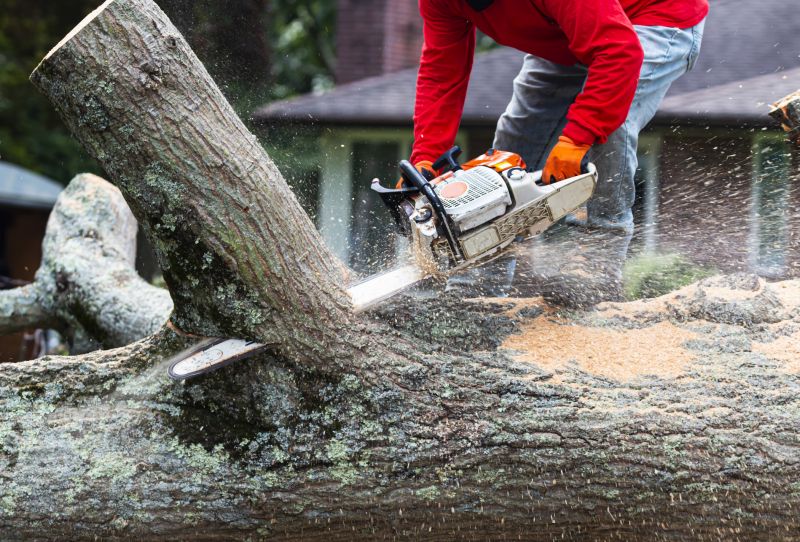
What equipment is used for dead tree removal? Heavy-duty chainsaws, cranes, and rigging equipment are typically used to safely dismantle and remove dead trees.
Are there any property considerations for dead tree removal? The process may require clearing surrounding vegetation or securing the area to ensure safety during removal.
Request Deadwood Removal in Doylestown, PA
Use the quote form on this page to share the basics of your project and request more information for the type of work you need.